
Danbury Arrest Warrants Explained
A Danbury arrest warrant gives police the court's authority to take someone into custody on the issuing court's terms. In Connecticut, that order may be entered into PRAWN. That stands for the Paperless Arrest Warrant Network. Authorized justice agencies use it to locate details, find the responsible agency, and process custody electronically. The public cannot search PRAWN itself. Danbury Police may apply for, hold, confirm, or serve an order, yet the city has no municipal criminal court. The Connecticut Superior Court Judicial District of Danbury and GA3 handle the local state criminal dockets. Part A cases and lower-level Part B cases follow different assignments in the same courthouse. The court issues the authority; police handle enforcement. The official Judicial Branch criminal search shows the state route and what it covers.
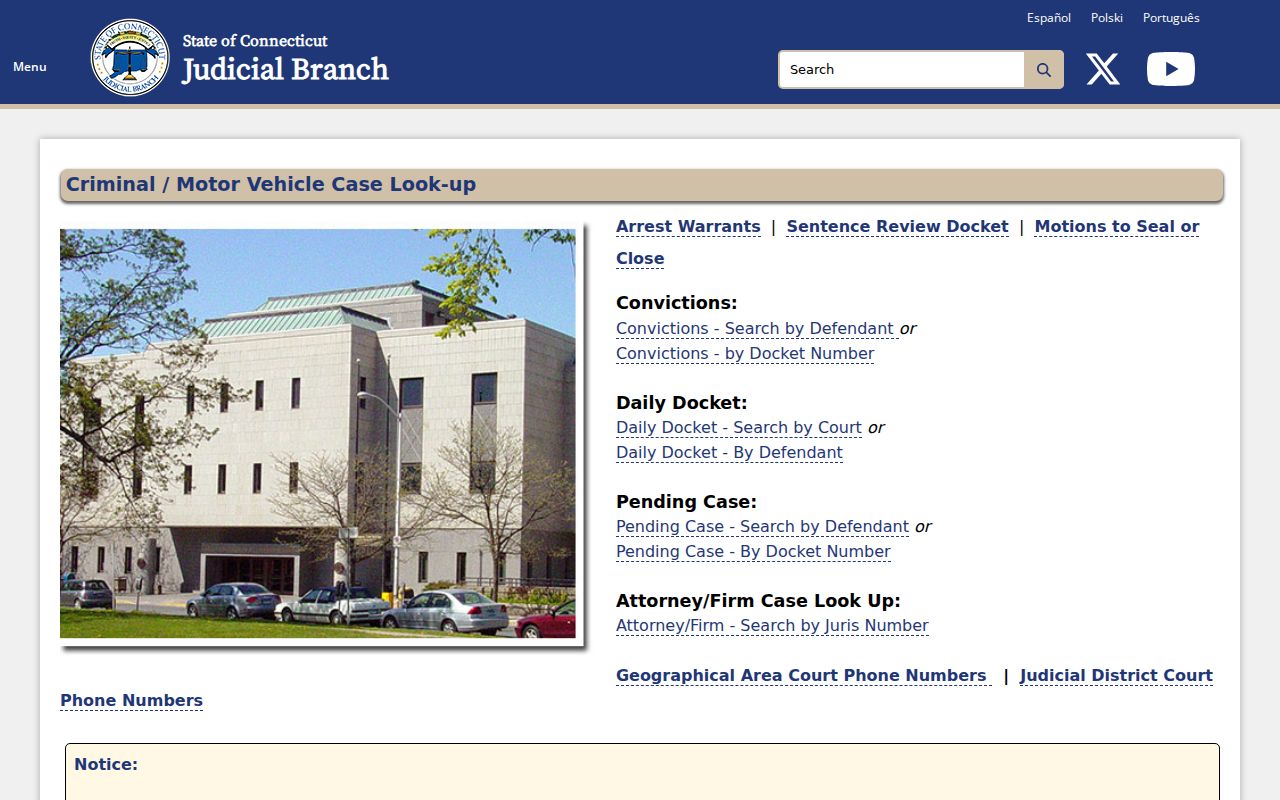
A Danbury docket search can point you toward a case, but the clerk's office remains the authority on current court status.
Danbury Arrest Records Are Different
An arrest record and a warrant record answer different questions. One describes an arrest that already happened. The other concerns a court's authority to arrest, including an order that may still sit unserved. Danbury Police publishes an arrest-log archive, but that archive is not a live warrant search. It covers a publication period, not the current condition of every court order, so it cannot tell you present status. The Records and Property Division maintains and distributes arrest, incident, and accident records along with other police material. That makes it a useful channel for a specific past incident or arrest in Danbury. It is still not a citywide warrant database. For a Danbury status question, start with the public Judicial Branch warrant page, check a known docket, and confirm with the issuing clerk or the responsible agency. The official Danbury Records and Property page shows the local records route.
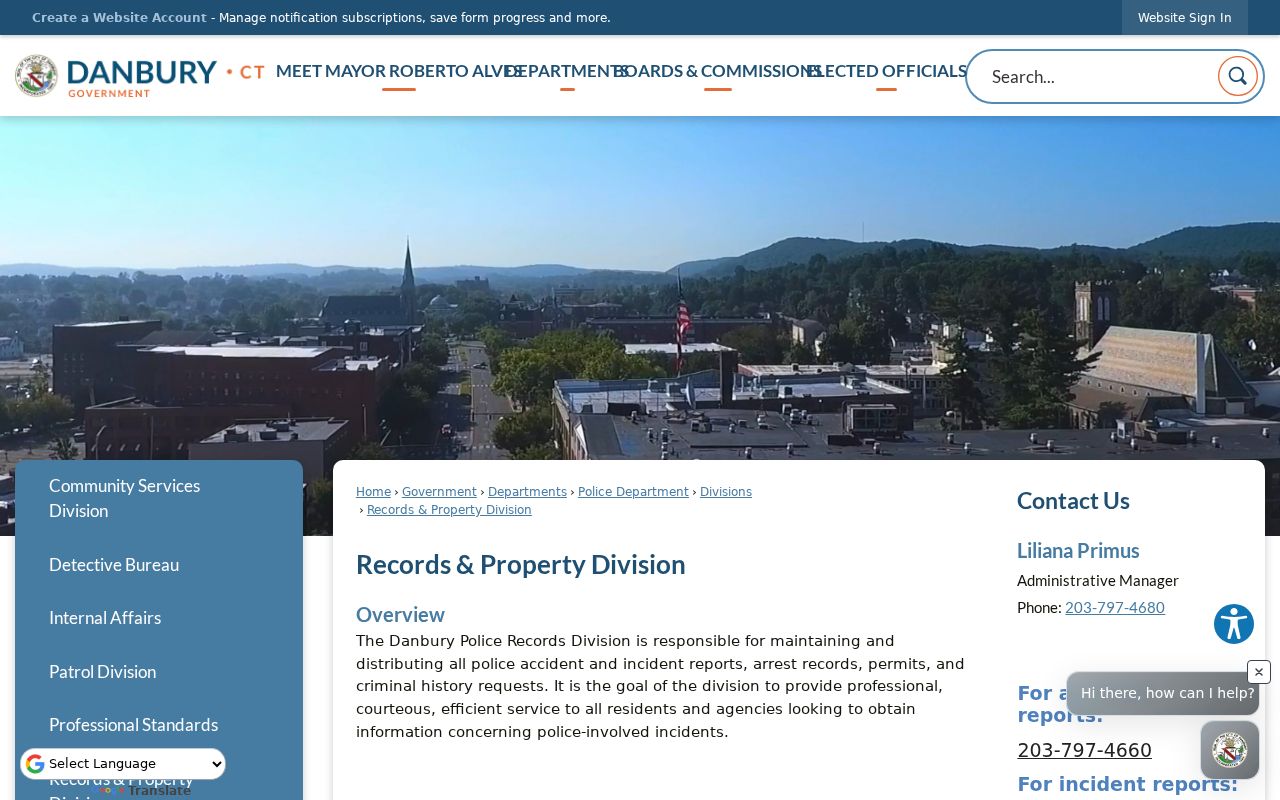
Come with a defined request. The Danbury office does not fill open-ended demands for a list of every warrant.
Inside a Danbury Arrest Warrant
What you see depends on the source. A portal result, a case docket, a warrant application, an affidavit, and an arrest record each carry different fields. Danbury publishes no local warrant-number format.
| Named subject | Identifies the person named by the order, subject to matching and privacy limits. |
|---|---|
| Issuing court | Shows which court controls the warrant and the next procedural step. |
| Docket or warrant reference | Helps the clerk or agency locate the correct file. |
| Alleged offense | States the legal basis without proving guilt. |
| Issue date and status | Provides timing and a recorded status that still needs current confirmation. |
| Bail or release terms | Shows case-specific conditions when the public record makes them available. |
A warrant application and its affidavit state the sworn grounds submitted for judicial review. Danbury courts may keep them sealed or redacted. A portal summary is not the full signed document.
Danbury FOI Request Route
For an arrest or incident that began with Danbury Police, ask the agency that holds the record. Name the incident or CFS number. Give a date or date range. List the specific material and your preferred delivery method. That might mean the non-exempt arrest record, a non-sealed warrant application and affidavit after arrest, an incident report, or a defined audio or video item.
- Identify the incident, docket, or CFS reference as closely as possible.
- Name the precise record, such as an arrest record or non-sealed affidavit.
- Give a clear date range and request electronic delivery if suitable.
- Ask for a fee estimate before a large paper or media request is filled.
- Keep the agency response, redaction basis, and appeal information.
Danbury keeps two records-request forms. The legacy DPD form lists in-person, phone, email, and U.S. Mail options. It charges $0.50 per page for documents or incident reports. Disks holding audio, video, or photos cost $2 each. The 2023 form adds fuller contact, signature, notification, and fulfillment fields. Check which version is current rather than merging the two. The Danbury legacy form lists pd-records@danbury-ct.gov. Connecticut FOI guidance permits focused requests and points you to the agency holding the record. For Danbury incident reports, call 203-797-4681; for other DPD records, call 203-797-4679.
Serving Arrest Warrants in Danbury
Before serving a Danbury arrest warrant, the agency confirms it is still executable, then follows the order and its governing procedure. Service may come during direct police contact or another lawful encounter in Danbury. Custody processing follows. So does a court appearance and a release decision. The exact sequence turns on the warrant, the charge, the court, the timing, and whichever bail authority applies. Danbury has no Fairfield County sheriff warrant unit to call. Connecticut simply has no county government running that function. Danbury city police, state police, judicial marshals, and other authorized agencies each play distinct roles. Danbury's five elected constables, plus any special constables, add local process-service context, though their city page offers no public warrant lookup. State marshals serve civil process and civil capias matters. They do not replace a county criminal sheriff. A public search result is not permission to act, and the Judicial Branch itself warns against taking action against anyone based on the site. For an immediate threat, call 911. Otherwise, lean on the Danbury court, your counsel, and the agency contacts.
Danbury FOI Access After Arrest
Connecticut General Statutes §1-215 spells out what a public record of arrest holds: name, race, address, date, time, place, and offense. Danbury readers gain a real edge here. When an arrest happens under a warrant, the non-sealed warrant application and affidavit join that public arrest record. So a Danbury warrant question can turn into a document request after the arrest itself. That route still has edges. It does not create a public roster of unserved warrants for Danbury or anywhere else. Access limits apply too. Juvenile and youthful-offender material can stay confidential. Erased records, sealed affidavits, active investigative files, victim and witness information, and content whose release could prejudice an investigation or prosecution may be withheld or redacted. One part of a Danbury arrest record can be public while the rest stays protected.
Request the right product: FOI produces agency records; it is not a live warrant-status check or access point to restricted PRAWN data.
The official FOI §1-215 source frames this access rule.
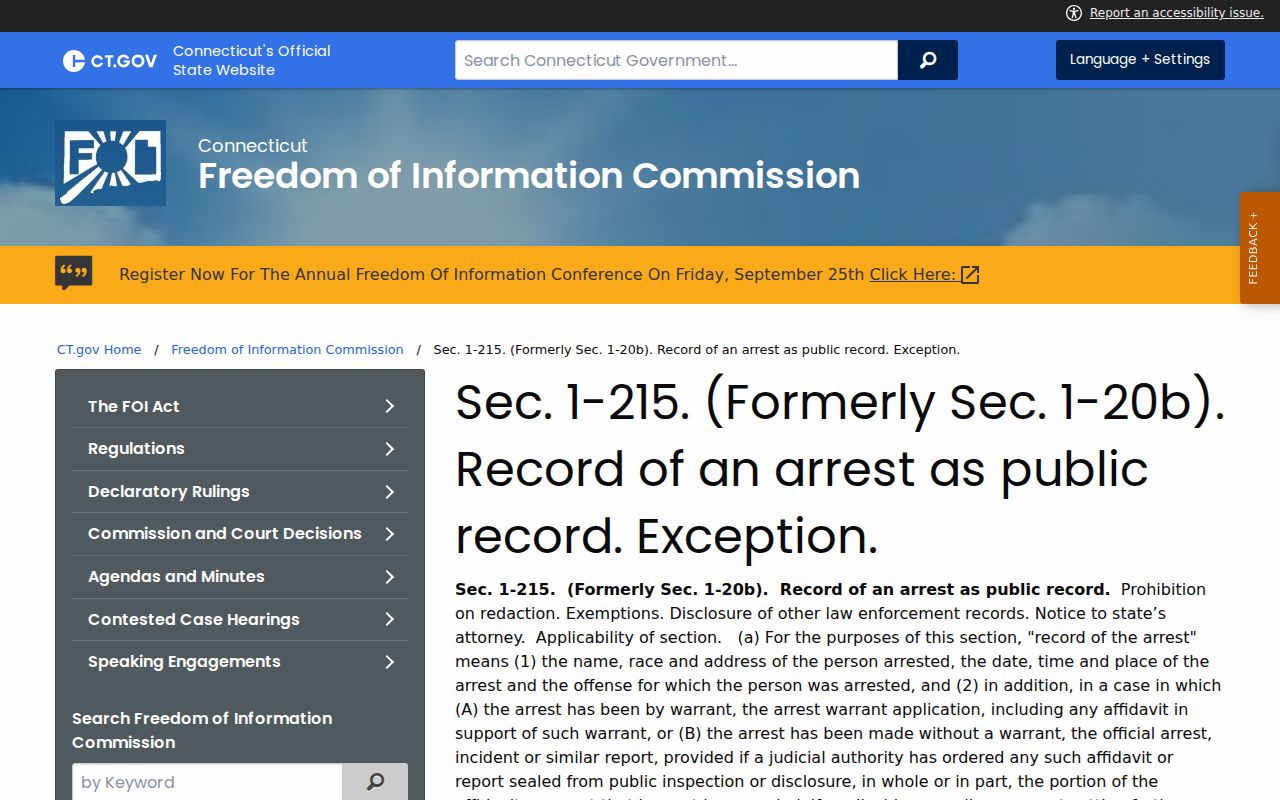
A focused request still pays off. After a Danbury arrest, warrant papers can surface even while an unserved warrant stays outside public view.
Comparing Arrest, Summons, and Bench Warrants
Arrest warrants, summonses, and bench warrants call for different responses. In Danbury, the source document and its terms control, not a casual label.
| Feature | Arrest Warrant | Summons | Bench Warrant |
|---|---|---|---|
| What it does | Authorizes arrest | Directs a person to appear | Authorizes arrest from the bench |
| Usual basis | Sworn allegations and court authority | Charge handled without initial custody | Missed duty or violated appearance order |
| Public route | Limited portal, court, and specific records | Notice and court docket | Case lookup, limited portal, and clerk |
| Response | Counsel, surrender, and release planning | Appear as directed | Clerk, counsel, appearance, or motion |
Ignoring a summons can trigger later process. That still does not make it an arrest warrant. A civil capias in Danbury also stands apart from every criminal instrument, including the bench warrant.
Local Warrants and PRAWN Gaps
PRAWN is an operational justice network, not a complete public Danbury warrant list. Connecticut's statistics glossary adds a warning: PRAWN statistics do not include information from warrants requested by municipal or state law-enforcement agencies in the same way as court warrants. That caveat cuts both ways. A DPD-related warrant can still exist. Statewide court statistics and local Danbury police records simply do not overlap. The public warrant interface has limits too. It says FTA warrants will not be displayed until further notice, and not all types appear. The last-name, town, court, first-name, birth-year, and year-range fields still offer clues for a Danbury warrant check. A blank result is only that. It does not prove that no Danbury warrant exists. OPM monthly and quarterly reports are aggregate data describing program totals and workload, so they cannot answer whether one person has a current Danbury arrest warrant. A Danbury arrest log works the same way. It shows past publication activity, not active status.
If There's an Arrest Warrant for You
Gather the basics first. Write down the suspected docket, source, date, and the Danbury agency responsible. The Danbury clerk answers court-file questions at 203-207-8600. For Danbury police operational questions, the routine DPD line is 203-797-4611. If you qualify, the public defender can be reached at 203-207-8650, and a private Connecticut criminal-defense lawyer works too. Ask about a safe voluntary surrender. Cover the court appearance, booking, bond, and any available motion. The bail and pretrial number is 203-207-8715. Danbury posts no public surrender hours, station bond window, or universal bond schedule, so never arrive counting on an assumed after-hours process. Confirm the place, time, accepted payment, identification, and release terms first. A motion to recall or quash is a court remedy to discuss with counsel, not something a public search can complete.
Plan before acting: An executable warrant can lead to arrest, so obtain case-specific legal and court instructions before travel or police contact.
Danbury Records Request Boundaries
A focused request beats a demand to "send all warrants." Ask whether DPD actually maintains the record you named and can search it by incident, CFS number, docket, or date. Keep the stated exemption and appeal route if Danbury denies or redacts material. An arrest record does not open every investigative file. The official capias source, the State Marshal Commission manual, shows that Connecticut state marshals handle civil process, including forms of capias. It is not a Danbury sheriff arrest-warrant portal.
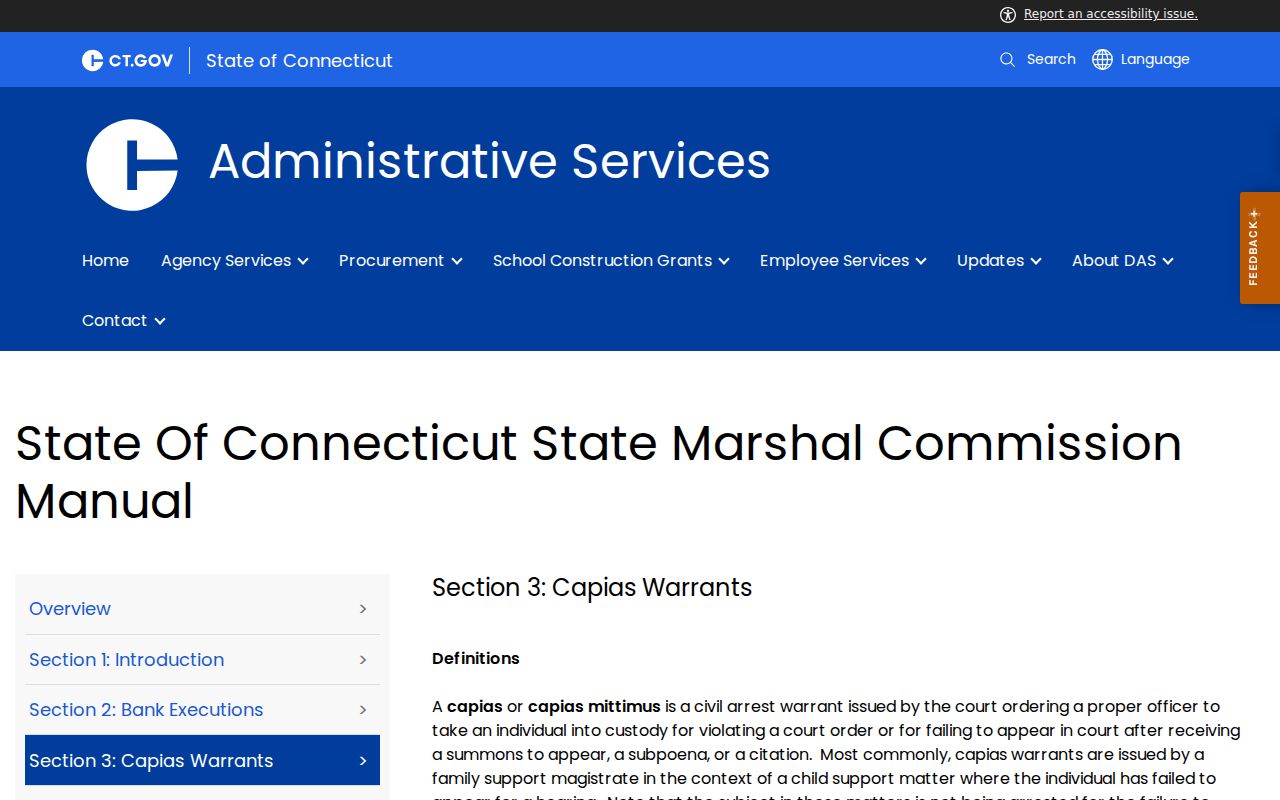
Civil process and warrants stay separate. That keeps a family-support writ from being described as a criminal arrest warrant. Each tool answers a different question. The Danbury Town Clerk holds city records, not criminal warrants. Tip 411 takes anonymous tips, not status requests. Federal cases belong in the District of Connecticut. Matching the question to the source is the most reliable route in Danbury. Note: Save the form version and your request date, because fees, fields, portal notices, and agency procedures can change.